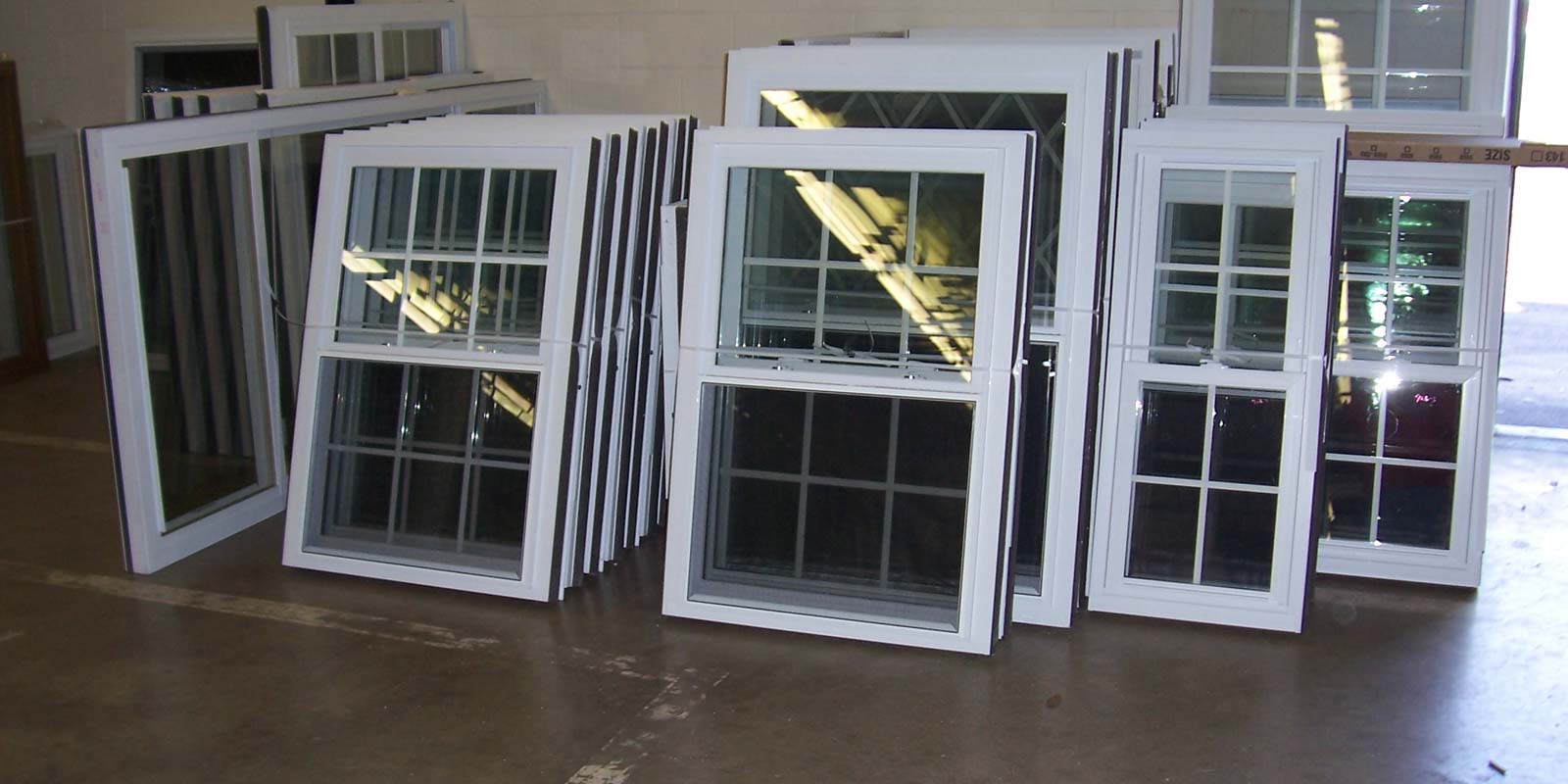
5 Signs It's Time to Replace Your Old Windows
As a homeowner, it's crucial to be vigilant about the condition of your windows. Over time, wear and tear can take a toll, leading to a variety of issues that could impact your home's energy efficiency and overall aesthetic. Here are 5 signs it's time to replace your old windows:
- **Visible Damage**: If you notice any cracks, chips, or warped frames, it's a clear indication that your windows may need to be replaced. Such damage not only compromises the seal but can also lead to air leaks. Energy.gov provides further insight into how damaged windows can affect energy efficiency.
- **Drafts and Air Leaks**: Drafts are a sure sign that your windows are not functioning properly. If you can feel cold air seeping in during winter or warm air escaping in the summer, it's time to consider a replacement.
Another key factor is the age of your windows. If your windows are more than 15-20 years old, they're likely outdated in terms of technology and efficiency. Modern windows come with enhanced features such as improved insulation and UV protection. Upgrading your windows can lead to significant savings on energy bills and improve your home's comfort. To learn more about the benefits of window replacement, check out HouseLogic.
- **Condensation Buildup**: If you find condensation between the panes of glass, your windows are failing to provide adequate insulation. This can lead to moisture problems, including mold growth.
- **Difficulty Opening and Closing**: If your windows stick, are hard to open, or won't stay open, these issues can be a burden in your daily life. Swapping them out for new ones will enhance both functionality and security.
The Benefits of Energy-Efficient Windows: Why You Should Upgrade
Upgrading to energy-efficient windows offers numerous benefits that can enhance your home's comfort and reduce your utility bills. These advanced windows are designed to minimize heat loss during winter and keep your home cool in the summer. According to the U.S. Department of Energy, replacing old windows with energy-efficient models can lead to a savings of 12-33% on your heating and cooling costs, depending on your location and climate. Additionally, many energy-efficient windows come with low-emissivity (Low-E) coatings that reflect infrared light, further improving thermal performance.
In addition to cost savings, energy-efficient windows contribute to a more sustainable environment. By reducing your energy consumption, you're also decreasing your carbon footprint and helping to combat climate change. Furthermore, many energy-efficient windows are eligible for tax credits and incentives, making this upgrade more affordable than ever. For more information on financial benefits, visit ENERGY STAR. By investing in energy-efficient windows, you not only enhance your home's quality but also contribute positively to the planet.
How to Choose the Right Replacement Windows for Your Home
Choosing the right replacement windows for your home is crucial for enhancing energy efficiency and improving curb appeal. Start by assessing your home's architectural style and your personal preferences. Some popular window styles include double-hung, casement, and slider windows. It's also important to consider the material of the frames—options such as vinyl, wood, and fiberglass each come with their own benefits and drawbacks. Additionally, pay attention to energy ratings; windows with a lower U-factor and higher Solar Heat Gain Coefficient (SHGC) can significantly reduce your heating and cooling bills.
Once you have a few styles and materials in mind, it’s beneficial to gather quotes from multiple suppliers. When comparing options, consider the warranty offered and the reputation of the manufacturer. Don’t forget to check online reviews and ratings on sites like Consumer Reports to get insights on durability and customer satisfaction. Finally, consulting with a professional installer ensures that your new windows are properly fitted, which is vital for maximizing their efficiency and longevity.