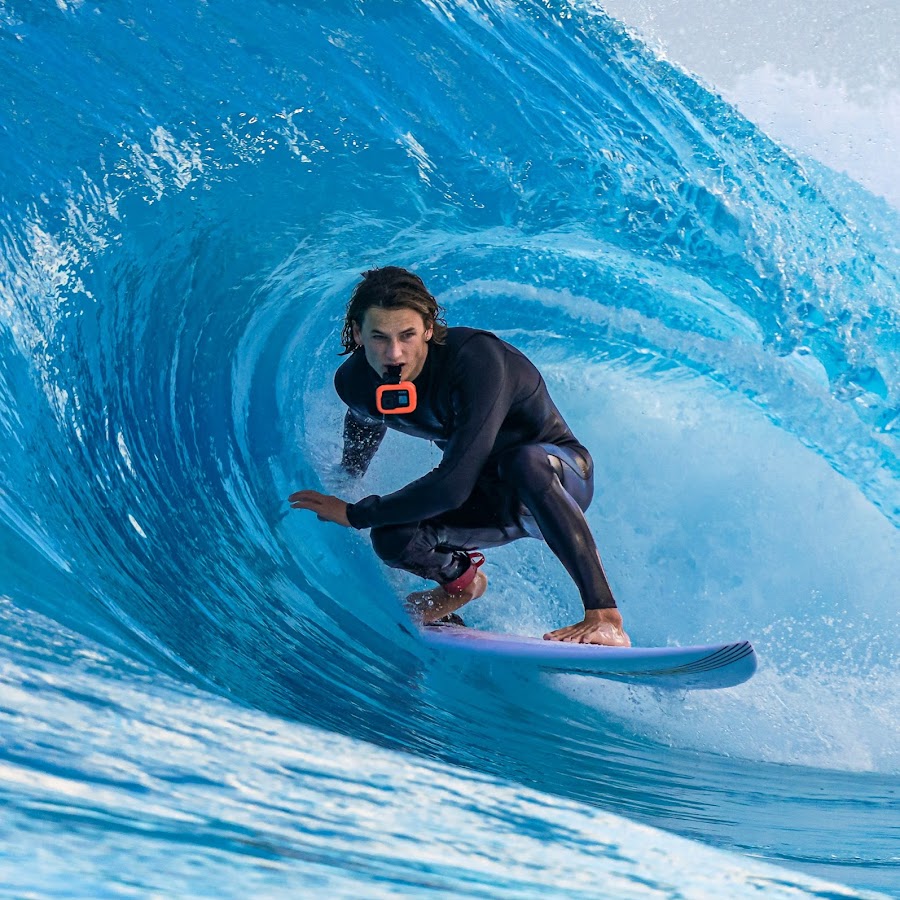
The Secret Language of Your Surfboard: Understanding Shape and Design
Every surfer knows that the right surfboard can make all the difference in the water. The shape and design of your surfboard are not just aesthetic choices; they significantly impact your performance and experience on the wave. To truly understand this secret language, it's essential to consider various elements like the board's length, width, and rocker. A shorter board with a sharper nose may provide more maneuverability, while a longer board offers stability and paddling ease. For a deeper dive into the intricacies of surfboard design, check out this guide on surfboard shapes.
In addition to general shapes, the material used in your surfboard's construction can influence its buoyancy and durability. Epoxy boards, for example, are known for being lighter and more buoyant than traditional polyurethane boards, allowing for smoother rides in various wave conditions. Surfboard fins also play a crucial role, as their placement and design can enhance speed and control. For more insights on how these elements work together to create the perfect ride, visit this ultimate guide to surfboard fins.
What Every Surfer Should Know About Board Maintenance
Board maintenance is crucial for every surfer looking to maximize performance and prolong the lifespan of their surfboards. Regular inspections for dings and cracks are essential; these can weaken the board and affect your ride. After each session, rinse your board with fresh water to remove salt, sand, and debris. Let it dry in a shaded area to avoid sun damage, which can degrade the materials. For an in-depth guide on maintaining your surfboard, check out Surfer Today.
Additionally, wax your board regularly to ensure optimal grip while paddling and riding the waves. A good rule of thumb is to check your wax before each surf session and reapply it if necessary. If your board has fins, inspect them to ensure they are securely attached and in good condition; damaged fins can drastically affect your performance. Learn more about the importance of proper board upkeep at Surfing Life.
Is Your Surfboard Holding You Back? Signs It's Time to Upgrade
Many surfers find themselves riding the same surfboard for years, but is your surfboard holding you back? If you notice a decline in your performance or struggle to catch waves, it might be time to evaluate your equipment. Look for these signs:
- Difficulty paddling: If you’re feeling fatigued or slow while paddling out, it could be due to your board's shape or size.
- Frequent nose dives: An older board can lose its buoyancy and shape, leading to unwanted nose dives.
- Lack of stability: If you find it hard to maintain balance while riding, it might indicate that your board isn't suited for your current skill level or surf conditions.
You should also consider the age of your surfboard. Boards can warp or become damaged over time, affecting their performance. If you see visible signs of wear, such as cracks or delamination, it may compromise your riding experience. Upgrading your surfboard can significantly enhance your skills, boost your confidence, and ultimately transform your surfing sessions. For more tips on choosing the right surfboard, check out this guide on choosing the perfect surfboard.