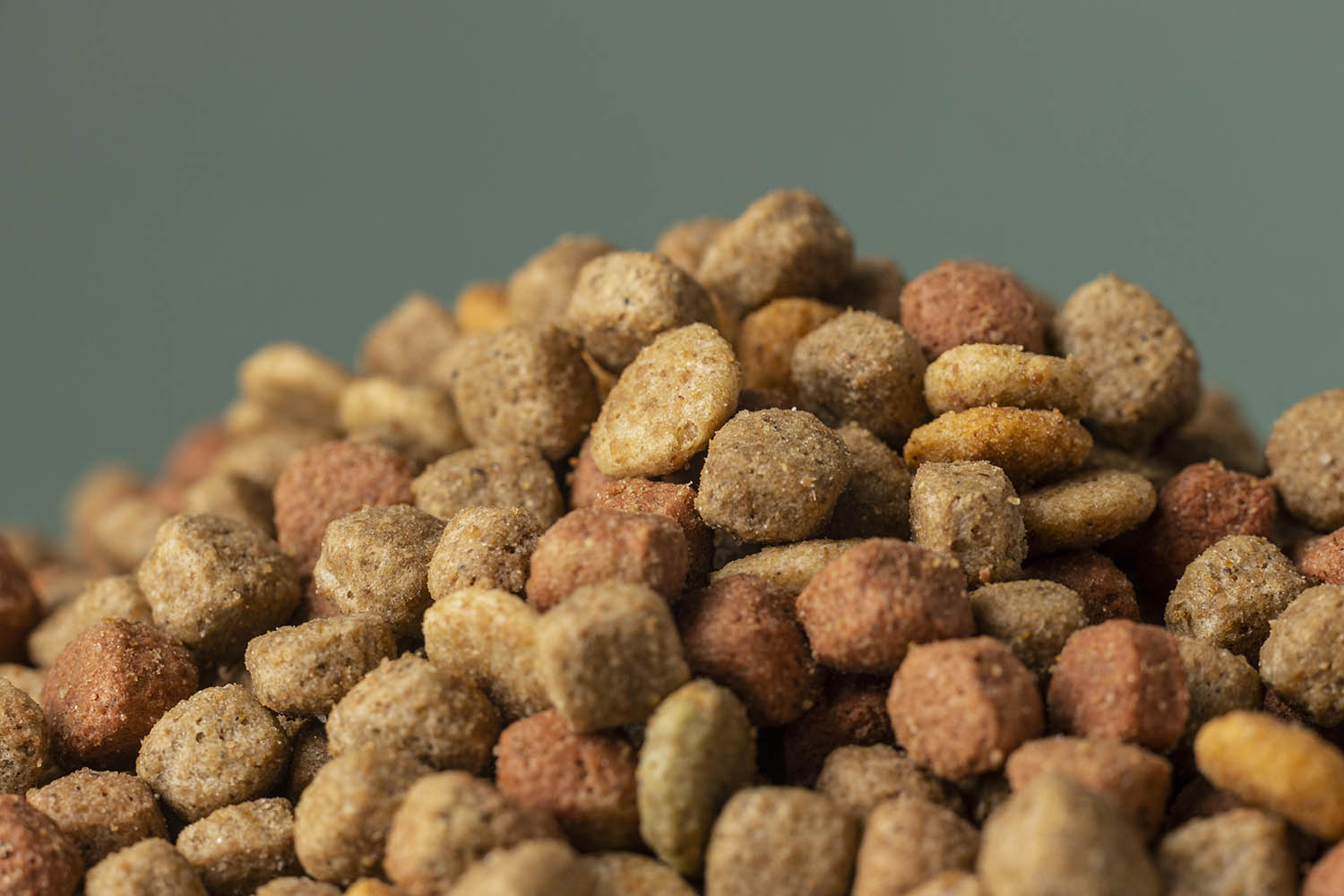
Top 5 Ingredients to Avoid in Your Pet's Food
Choosing the right food for your pet is crucial for their long-term health and well-being. One of the best ways to ensure your furry friend gets the right nutrition is by avoiding certain harmful ingredients. Here are the Top 5 Ingredients to Avoid in Your Pet's Food:
- Artificial Preservatives: Ingredients like BHA, BHT, and ethoxyquin are commonly used to extend shelf life but can pose serious health risks. According to the FDA, these chemicals may be linked to various health problems in pets.
- Fillers: Ingredients such as corn and wheat serve as low-cost fillers that provide minimal nutritional value. They can lead to obesity and other health issues. The PetMD article highlights how pets can be allergic to these fillers as well.
- Meat By-products: While they might sound nutritious, meat by-products can contain low-quality scraps that do not provide the best nutrition. The American Kennel Club emphasizes the importance of choosing whole meat sources instead.
- Artificial Colors and Dyes: These additives might make pet food more visually appealing but offer no health benefits and may lead to allergies or hyperactivity. A report from the Humane Society suggests opting for natural colorings whenever possible.
- Sugar and Sweeteners: Ingredients like sugar and artificial sweeteners can lead to obesity, diabetes, and dental problems. The Veterinary Partner warns that these ingredients should be strictly avoided in pet food formulations.
Are You Making These Common Mistakes in Your Pet's Diet?
When it comes to your pet's nutrition, even the most well-meaning owners can make common mistakes that compromise their furry friends' health. One of the most significant errors is feeding them human food without understanding its nutritional implications. Certain foods that are safe for humans can be toxic to pets, such as chocolate, onions, and grapes. To ensure you're making informed choices, consider consulting reliable sources like the ASPCA for a comprehensive list of safe and unsafe food items.
Another frequent oversight is not providing a balanced diet tailored to your pet's specific needs. Different breeds, ages, and health conditions require varying nutrients. For example, puppies need diets rich in protein and fat for growth, whereas older dogs might benefit from lower calories and specialized supplements. Regularly reviewing your pet's dietary requirements can help prevent health issues in the long run. To learn more about crafting a suitable meal plan for your pet, check out Pet Nutrition Academy.
How to Read Pet Food Labels: A Guide for Pet Owners
Understanding how to read pet food labels is essential for ensuring your furry friend's nutrition. Start by checking the ingredient list, which is usually ordered by weight. Look for high-quality protein sources like chicken, beef, or fish listed as the first ingredient. Avoid feeds that list generic terms like 'meat' or 'meat by-products,' as these can be low-quality and indeterminate. It's also important to pay attention to the guaranteed analysis, which provides information about the nutrient content of the food, including crude protein, fat, fiber, and humidity levels. For more details on ingredient quality, visit the American Kennel Club's guide.
In addition to ingredients, consider the feeding guidelines provided on the label. These guidelines can help you determine how much to feed your pet based on their age, weight, and activity level. Keep in mind that these are general recommendations and may need to be adjusted based on your pet's specific needs. Finally, take note of expiration dates and the manufacturer's details to ensure you're choosing the safest and most effective food for your pet. For a comprehensive guide on interpreting pet food labels, check out the Humane Society's resource.